

Peru on a Budget: What It Costs and How to Save Money on Your Trip
Planning a trip to Peru on a budget? You’re in the right place. Whether you’re dreaming of exploring the Sacred Valley, hiking to Machu Picchu, or eating your way through Lima’s famous food scene, Peru is full of unforgettable experiences that don’t have to cost a fortune.
I’ve visited Peru multiple times and found that while it’s not the cheapest country in Latin America, there are so many ways to make your trip affordable. From booking cheap flights and using travel points to finding local food spots and DIYing popular tours, there are plenty of ways to save without sacrificing your experience.
In this guide, I’ll break down what it really costs to travel Peru, how to get there on a budget, where to stay for less, and how to save money on food and activities. Whether you’re visiting Peru for 7 days or 3 weeks, this budget guide will help you spend smarter.
Enjoy visiting Peru on a budget!
Just a quick note: This page might include affiliate links. If you click and purchase anything from the links I receive a tiny commission to support this website. The good news? I only recommend products I actually use and believe in. So you’re getting the best products at a super good price.
Is Peru Expensive to Visit?
Peru can be expensive to visit, especially during peak season between June through August. During these months, you’ll often see higher prices on flights, tours, and hotel stays. This is especially true in the tourist towns, like Cusco.
But with the right strategies, Peru can be surprisingly affordable. Traveling during shoulder or low seasons (March–May or September–November) can save you hundreds, sometimes even thousands, of dollars. Hotel rates drop, flights are easier to find at a discount, and you’ll have more flexibility to book tours or experiences at better prices.
Combine that with traveling like a local, and booking things independently, and you’ll find that a trip to Peru doesn’t have to break the bank.
How Much Does Peru Cost Per Day?
Travel budgets in Peru can vary quite a bit. That’s largely due to how many places you visit and how many guided experiences you choose to include. Which both can quickly increase your overall costs.
That said, Peru can be relatively affordable for mid-range travelers. While it’s not as cheap as some other Latin American countries, sticking to more local experiences can help you save. Guided tours and hotels often come with steep markups, so going the independent route can stretch your budget further.
Need help planning your trip to Peru? This 7-day Peru itinerary has everything you need to visit the best of Peru.
All to say that the “tourist tax” can be high in Peru but with the right strategies you can visit Peru on a budget.
To give you a ballpark for a mid-range trip, here are the average costs per category:
Accommodations:
Lima: $50–$200 per night for a boutique hotel or well-rated guesthouse
Sacred Valley: $40–$90 per night for a charming lodge or mid-range hotel with mountain views
Cusco: $70-$120 per night for boutique hotels near city center
Food: $15–$30 per day if you’re mixing local spots with occasional nicer meals
Rental Car: $40–$60 per day, but not needed in Lima or Cusco. But, more useful in the Sacred Valley.
Transportation: $5-20 per day for local buses and Ubers
Activities: $20–$70 per day depending on whether you’re doing DIY hikes, guided tours, or bucket list experiences like Machu Picchu
How I Traveled Peru on a Budget (And What Made the Biggest Difference)
On my first trip to Peru, my husband and I spent nine days exploring Lima, Cusco, and the Sacred Valley. It was an incredible experience and one that taught me a lot about how to travel Peru cheaply. By my second trip, I was able to cut our costs even further using everything I’d learned.
What made the biggest difference? I found ways to DIY many experiences that are often sold as pricey group tours from Cusco.
We also rented a car and stayed in the Sacred Valley for four nights. That decision saved us quite a bit compared to booking daily transportation or tours from Cusco.
Another benefit was traveling to Peru during the end of shoulder season. The prices of hotels were far cheaper than high season but the weather was still good.
Getting to Peru Cheaply
If you’re flying from the United States, you’ll first need to get to Lima. This is Peru’s main international hub. Nearly all travelers arrive here before continuing on to Cusco or other destinations.
It’s almost always cheaper to book a flight to Lima and then purchase a separate domestic flight within Peru. Flights from Lima to Cusco, Arequipa, or Juliaca are often short and affordable, especially on budget airlines.


Luckily, Lima is also one of the more affordable South American airports to fly into from the U.S. If you’re flexible or can take a positioning flight, you can often find roundtrip fares for under $400 round trip from major U.S. cities. This is especially common during shoulder and low seasons.
To find the best deals, I recommend a Thrifty Traveler Premium subscription. I used mine to book a $400 lie-flat business class seat on Delta to Lima. It’s worth every penny.
How to Fly to Peru With Points and Miles
If you want to fly to Peru for nearly free, there are several great points and miles options. Thanks to airline alliances, you can often transfer your credit card points to international partners that offer better redemptions than U.S. carriers.
For example, while you could fly Delta, you might get a better deal by transferring your points to Air France. Since both are in the SkyTeam alliance, you can book the same award space.
If you’re new to this, I highly recommend using Point.Me. It’s a powerful tool that helps you find the best value for your points across multiple airlines. It’s especially helpful if you’re flying from a smaller airport or need a positioning flight to get the best deal.
Some programs are particularly great for flying to Peru with points:
- American Airlines: Economy redemptions from the U.S. to Lima can start around 30,000 points roundtrip.
- Avianca LifeMiles: Great option if you don’t mind a layover in Bogotá deals under 25,000 points roundtrip are possible.
- Air Canada Aeroplan: Solid availability on Star Alliance partners like United, especially from major U.S. hubs.
Getting Around Peru
Getting around Peru can be as expensive, or as cheap, as you make it. But cheaper transportation options often mean slower travel times. Basically, you pay for convenience.
The sweet spot is finding ways to balance cost and convenience without wasting precious time.
For example, you can take an overnight bus from Lima to Cusco through the winding Andes. But a quick flight is far easier. It may cost 2–3x more, but you’ll save an entire day of travel and arrive well-rested. (All to say leave the bus ride to the true backpackers.)
In cities like Lima and Cusco, rideshare apps are now widely available and affordable. This makes it easy to get to attractions without having to negotiate with taxi drivers.
If you’re planning to explore the Sacred Valley, I highly recommend renting a car. While it may seem like a splurge at first, it actually saves money in the long run, especially when compared to pricey group tours.
Planning to visit Machu Picchu? Don’t miss my helpful guide on how to get from Cusco to Machu Picchu. It’s got everything you need to plan a successful trip!
Not only can you visit top sights like the Maras Salt Mines or Moray on your own for just a $5 entrance fee (instead of $60 for a guided tour), but you’ll also have the freedom to stay in more affordable accommodations outside the main towns.
Tips for Getting Around Peru on a Budget
Book domestic flights early – Flights between cities like Lima and Cusco can be surprisingly affordable, but only if you book in advance.
Skip the taxi line – Use rideshare apps like Uber or Cabify in Lima and Cusco to avoid overpaying or haggling with local taxis.
Rent a car for the Sacred Valley – If you plan to visit multiple towns and sites, a rental car can be cheaper than booking daily tours or transfers.
Split private rides – If you’re heading to more remote areas or attractions, try coordinating with other travelers to share a driver or shuttle.
Choose local colectivos – In smaller towns, local transportation of shared vans (called colectivos) are a very cheap way to travel between destinations. However, keep in mind they don’t really run on set schedules.
Where to Stay in Peru On A Budget
While luxury stays in Peru can easily run over $300 per night, you’ll find that boutique hotels, family-run guesthouses, and charming hostels are still incredibly affordable.
In most cities—including Lima, Cusco, and Arequipa—you can find beautiful mid-range accommodations for under $125 per night, often with included breakfast, great views, or traditional architecture.
In smaller towns, you’ll also come across hidden gems and eco-lodges that offer even lower prices without sacrificing comfort. These locally owned spots tend to be more authentic, too. They are perfect for stretching your budget while supporting the local economy.
Best Areas to Stay on a Budget
Choosing the right neighborhood can make a big difference when traveling Peru on a budget.
In Lima, the Barranco district is a favorite for budget travelers. It’s a little artsy, full of character, walkable, and offers cheaper boutique stays than Miraflores.
In Cusco, look for stays in San Blas. It’s a quieter, scenic area just uphill from the Plaza de Armas. You’ll find affordable guesthouses and hotels with great views of the city.
Using Points for Hotels in Peru
One of the best ways to save thousands on accommodations is by using points for your hotel nights. I love using the Awayz tool to find award hotels. You can add your credit card programs and hotel loyalty points, along with your destination and dates, to see all available award hotels and get the best value.
If you’re not familiar with how to use points for hotels, it’s easier than you might think! Many credit cards offer the ability to earn points through everyday spending, which you can then transfer to hotel loyalty programs.
In Peru, you’ll find a variety of hotels bookable with points, though most tend to be higher-end, 5-star historic hotels. Personally, I find that booking cash for locally-run boutique hotels is often the better deal.
Saving Money on Top Peru Experiences
One of the easiest ways to save money in Peru is by finding ways to DIY popular experiences. Tour prices can be shockingly high compared to the cost of doing the same activities on your own.
For example, a guided tour to Machu Picchu might cost you $300–$400 per person, while planning the visit yourself can bring that down to around $150. The same goes for Sacred Valley day trips, which can be recreated independently by renting a car or using local colectivos and paying the small entrance fees at each site.
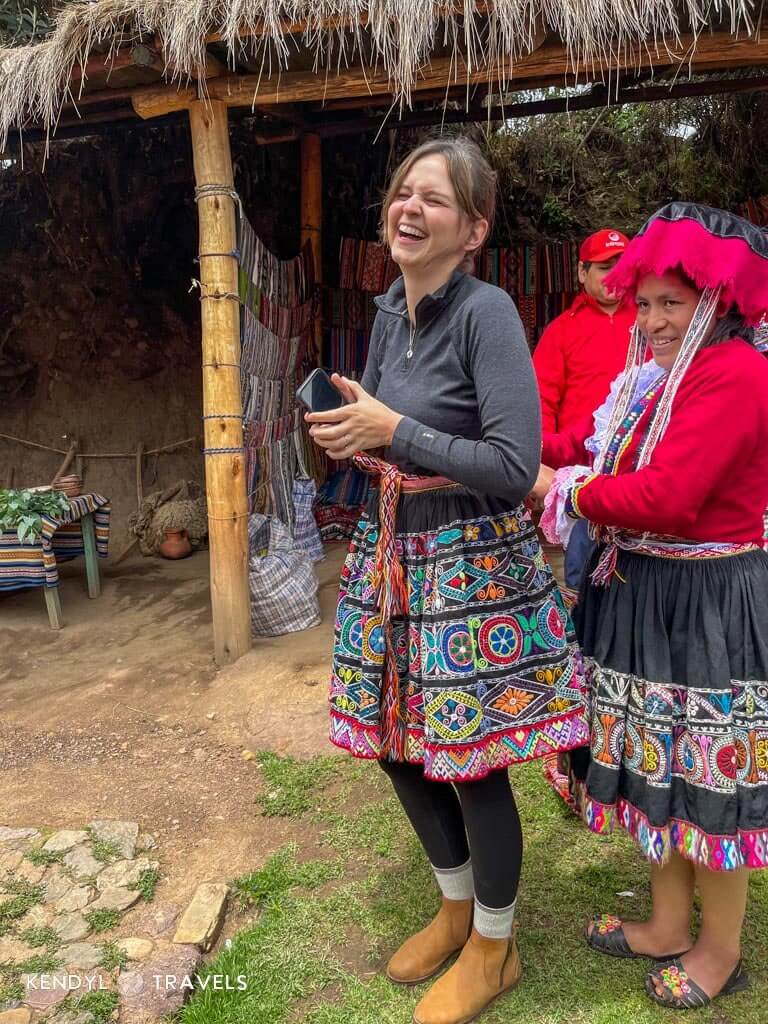
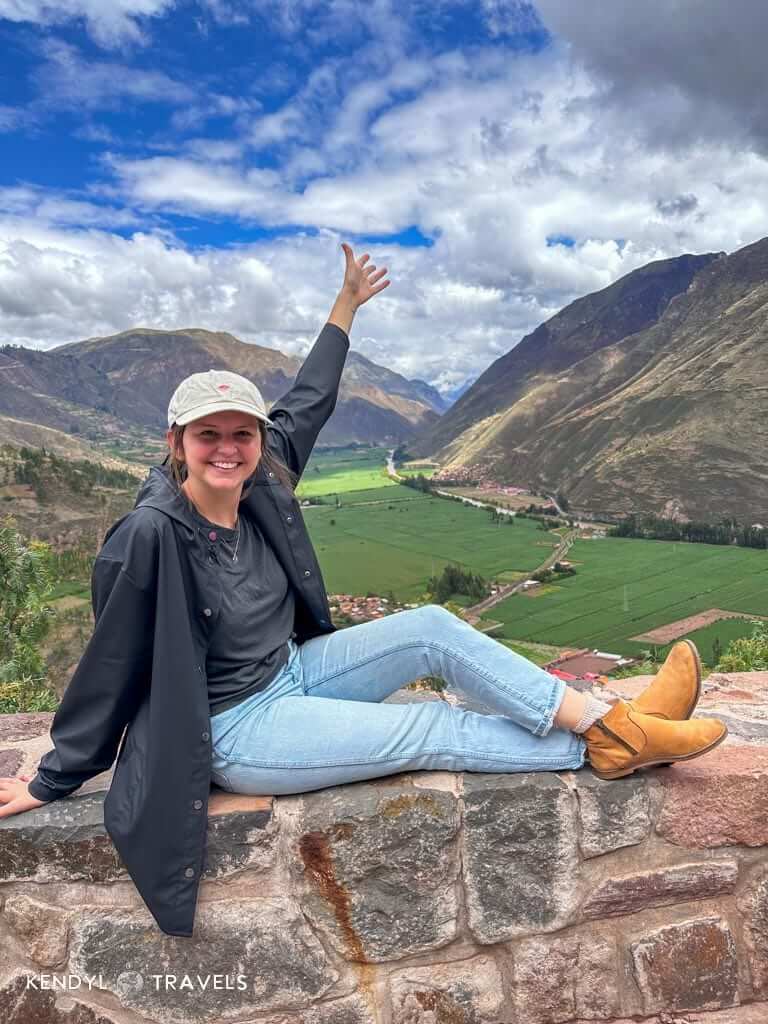
You’ll also find plenty of free or low-cost activities throughout Peru. Walking tours in cities like Cusco and Lima are usually tip-based, and museums often have free entry on Sundays. Just walking through markets, plazas, or neighborhoods with colonial architecture can be a rich experience without spending a cent.
If you do want to book a guided tour, it’s worth checking GetYourGuide where operators sometimes list tours at a discount.
Another great strategy is to wait until you arrive, as many hotels and hostels partner with local guides and can help you book last-minute tours for less than you’d pay online.
When Is A Guided Tour Worth It?
While Peru is a great place to DIY many popular experiences, there are some moments where a guided tour can be worth every penny.
Multi-day treks like the Inca Trail, Salkantay Trek, or Amazon jungle tours require logistics, gear, and permits that are tough (or even impossible) to manage solo. Booking a reputable tour makes these experiences easier and often safer.
Even day treks to places like Rainbow Mountain and Colca Canyon are nearly impossible to do on your own.
Moreover, for these experiences you (unfortunately) often get what you pay for. Cutting corners on multi-day treks or hiking experiences is almost never worth it in Peru.
Finally, if you’re short on time or want to visit multiple stops in one day without worrying about transit logistics, a small group tour can be a good investment, as long as you compare prices and reviews beforehand.
Visiting Machu Picchu On A Budget
Machu Picchu is certainly a must-visit for many people traveling to Peru. Yes, even for those of us on a budget. But it’s also extremely expensive.
Even with all my knowledge and savings strategies I paid $274 per person without a guide. That’s largely because the train from Ollantayyambo to Aguas Calientes is extremely expensive, regardless of class of service.
However, there are ways to save on your trip to Machu Picchu to make it more affordable.


First, you will save a lot of money on your trip if you have a rental car and drive yourself to the train station. You can park with a local lot for around $5-10 for the entire day.
Secondly, be sure to buy your tickets directly with the official website. Though there are tickets for sale on other retailers they are much more expensive than purchasing them directly.
Next, aim for train times that are a little after the morning rush and a little before the evening one. The train tickets change price throughout the day for demand.
And with the train, be sure to also compare the railway companies, as IncaRail and PeruRail operate independently.
Finally, if you’re really pinching pennies you can hike up to the entrance instead of paying the $25 roundtrip bus ticket from Aguas Calientes. But it is a hike.
Eating in Peru on a Budget
While Lima showcases a wide range of culinary options for all budgets, places like Cusco and the Sacred Valley often have two price tiers: one for locals and one for tourists.
The more you seek out local spots, the cheaper your meals will be. One of the best ways to save is by eating at local mercados (markets), where vendors offer fresh, homemade plates for just a few soles. In Cusco, the San Pedro Market is a go-to for everything from fruit juice to soups and full meals.
Another great option is the menu del día, or daily set menu, which you’ll find all over Peru. For just $2–$5, you’ll get a soup, main dish, drink, and sometimes dessert. Look for signs outside smaller restaurants or ask your hotel where you can find it served.
Want specific cheap eats in Cusco? Check out my Cusco guide where I’ve rounded up my favorite budget-friendly restaurants, local markets, and hidden food spots you don’t want to miss.
Tips for Saving Money in Peru
Travel in the shoulder season – Visit between March–May or September–November to save big on flights, hotels, and tours while avoiding peak-season crowds.
Book domestic flights separately – Flights to Cusco or Arequipa are usually cheaper when booked on their own rather than added to your international itinerary.
Use rideshare apps in cities – Uber and Cabify are available in Lima and Cusco, and they’re often cheaper (and easier) than haggling with taxis.
Rent a car in the Sacred Valley – A rental gives you the freedom to explore at your own pace and can cost less than booking daily tours or private transfers.
DIY popular experiences – You can visit places like the Maras Salt Mines, Moray, and even Machu Picchu independently for a fraction of what guided tours cost.
Stay in local guesthouses or boutique hotels – Family-run accommodations are comfortable, charming, and far cheaper than international chains. Bonus if breakfast is included.
Use points for splurge-worthy stays – While Peru’s points hotels are often high-end, they’re a great way to upgrade your experience without paying cash.
Skip tourist traps – Restaurants and stores near main plazas usually charge inflated prices. Walk just a few blocks away for cheaper—and more authentic—options.
Bring cash and the right card – ATMs in Peru can charge high withdrawal fees, so bring a no-foreign-transaction-fee debit card or limit your withdrawals.
Don’t skip travel insurance – It can save you a lot in the event of cancellations, delays, or health issues—and some cards offer it automatically.
Pack the right clothes – Peru has incredibly different weather throughout the country. It’s important to pack appropriately to avoid purchasing additional clothing.
More Peru Travel Tips + Inspiration
Planning a bigger trip to Peru? Here are more posts to help you travel smarter and deeper:
- My Exact Peru Itinerary – A 7-day route through Lima, Cusco, and the Sacred Valley
- What to Pack for Peru – Essentials for handling different climates, altitudes, and terrain
- One Day in Lima Itinerary – Make the most of a short stay in Peru’s capital with this food-forward, culture-filled plan


