

Visiting Greece On A Budget: Complete Budget Breakdown
Dreaming of a trip to Greece on a budget? You’re not alone. Greece is one of the most beautiful (and surprisingly affordable) countries to visit in Europe… if you know a few money-saving tricks. From the whitewashed villages of the islands to the historic ruins of Athens, it’s entirely possible to soak up the best of Greece without draining your bank account.
I spent two weeks exploring Greece while sticking to a realistic budget. And in this guide, I’m sharing everything I learned to help you do the same. Whether you’re planning a Greek island-hopping adventure, a city escape, or a little bit of both, there are plenty of ways to save on transportation, food, accommodations, and more.
Greece might be known for its luxury hotels and sunset cruises, but this post is all about affordable alternatives that still feel rich in experience. I’ll show you exactly how to eat well, explore freely, and get from place to place without overspending.
Happy travels to Greece!
Just a quick note: This page might include affiliate links. If you click and purchase anything from the links I receive a tiny commission to support this website. The good news? I only recommend products I actually use and believe in. So you’re getting the best products at a super good price.
Estimated Budget to Visit Greece
Greece is one of those destinations where your budget can vary wildly based on where you go and how you travel. Want to splurge on luxury hotels at $400+ per night, enjoy $30 dinners, and sip $16 Aperol Spritz? You absolutely can. But you definitely don’t have to.

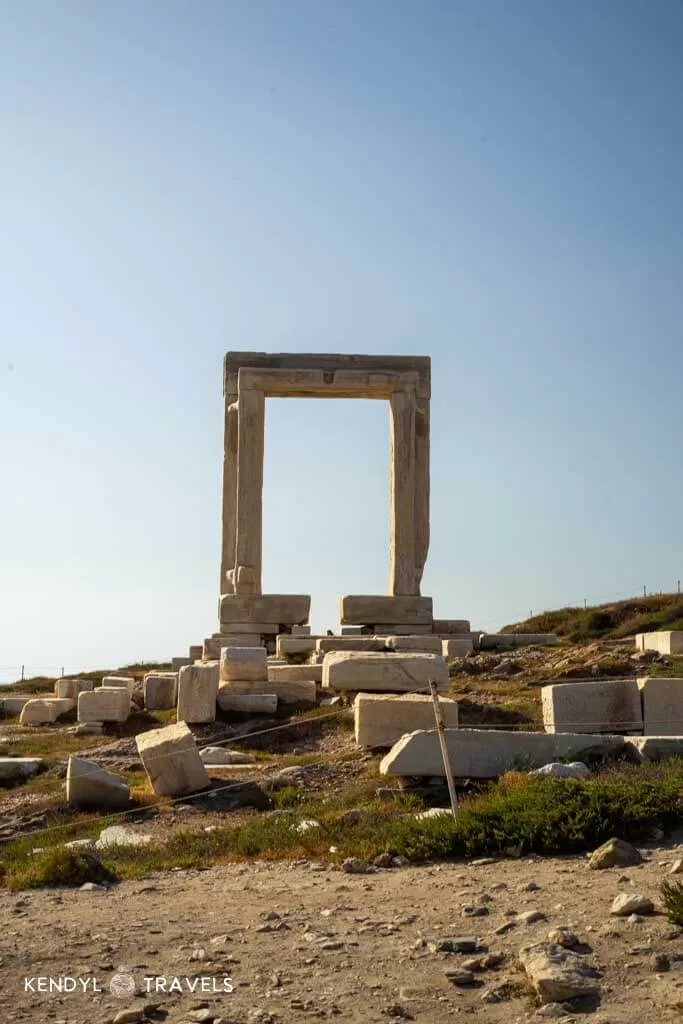
Greece—yes, even the islands—can be surprisingly affordable if you know how to travel smart.
On my own trip to Greece, my husband and I used hotel points, cheap eats, and DIY experiences to drastically cut costs. For example, we stayed four nights in Athens using points, bringing our hotel bill to a grand total of $0.
Even if you don’t use points and miles, you can still explore Greece on a budget. This guide will show you exactly how.
My advice? Set a trip budget first and decide on the type of experience you want in Greece. If the numbers don’t align, travel points can be a game-changer, especially for flights and hotels.
To give you a ballpark for a mid-range trip, here are the average costs per category:
- Accommodations: $100–$230 per night for a mid-range hotel or Airbnb (cheaper on the mainland, higher on popular islands)
- Food: $20–$40 per person, per day (mix of cheap eats, bakeries, and the occasional taverna meal)
- Ferries / Airfare to Islands: $20–$80 per person, per ferry leg; $40–$120 per person, per domestic flight
- Activities: $10–$30 per day (many ruins and museums have low entry fees; beaches and hikes are often free)
- Guided Tours: $50–$150+ per person, depending on the experience (think boat trips, guided island tours, or winery visits)
Getting to Greece Cheaply
For most travelers visiting Greece from the United States, your trip will likely start in Athens. While you can book roundtrip flights directly to popular islands like Santorini or Mykonos, you’ll usually save money and find more options by flying roundtrip to Athens instead.
If you can take a positioning flight, it’s often possible to find roundtrip tickets for under $500 from cities like Chicago, Boston, or New York. Even from mid-size airports, fares often hover around $700—especially in shoulder season. (These tickets can be even cheaper on the budget carrier, Norse. They operate a direct route from JFK to ATH in the summer months.)
Flexibility is key when hunting for affordable flights to Greece. Traveling in shoulder season not only unlocks cheaper flights, but also makes the islands more affordable. May and again from September to early October are ideal times to score better airfare.
If you want a consistent way to find great flight deals to Greece (and beyond), I recommend a subscription to Thrifty Traveler Premium.
How to Fly to Greece Using Points and Miles
If you want to fly to Greece for nearly free, travel points are your best friend. With transferable points, you can book flights on dozens of airlines (even those not based in the U.S.). Thanks to airline alliances, you can transfer your bank points to partner programs that often offer better deals than booking with U.S. carriers.
For instance, you could fly Delta but transfer your points to Air France. Since they’re both part of the SkyTeam alliance, you can book shared award space—unlocking cheaper redemptions using points you already have.
If you’re new to this, I highly recommend trying Point.Me. This tool helps you find the best use of your points for any destination, worldwide. It’s especially helpful if you’re flying from a smaller airport—you can search for better deals via a positioning flight.
Some programs are particularly great for flying to Greece with points:
- Air France Flying Blue — 37,000–50,000 points roundtrip in economy from many U.S. cities
- United MileagePlus — 60,000–70,000 points roundtrip in economy; flexible options with partner airlines
- Alaska Mileage Plan — 50,000–65,000 miles roundtrip when flying partners like British Airways or American Airlines
- Virgin Atlantic Flying Club — 30,000–50,000 points roundtrip when booking Air France or KLM-operated flights to Athens
Getting Around Greece
How you get around Greece depends largely on where you are. In larger cities like Athens, you can rely on public transportation and walking to reach most tourist areas.
The same holds true on popular islands like Santorini, where public buses connect many major attractions (though schedules can be limited, especially in the evening and mid-afternoon).


On many smaller or less-touristy Greek islands, you’ll need to rent a car or join a guided tour if you want to explore beyond the main towns. Renting a car is the more affordable and flexible option. You’ll not only save money by dining in smaller towns, but you can also DIY many experiences along the way.
As for getting to and between the Greek islands, you have two main options: ferry or flight. When coming from Athens, it’s always worth comparing ferry and airfare prices. Flights can be faster, and sometimes cheaper, especially if you don’t plan on checking a bag. When island-hopping between Greek islands, ferries are usually the more budget-friendly and practical choice.
Ways to Travel Around Greece
- Rideshare Apps — Uber and other rideshare apps in Greece can help you book official taxis in Athens and some larger cities.
- Ferries — The primary way to travel between islands. Book tickets in advance for popular routes or in high season.
- Flights — Domestic flights can be surprisingly cheap if booked early, especially on budget carriers like Ryanair, Aegean Airlines, and Sky Express.
- Public Buses and Trains — Public buses (KTEL) are affordable and cover most of mainland Greece. Trains are less extensive but useful for certain routes, such as Athens to Thessaloniki.
- Scooters — A popular way to get around some islands, though caution is advised. Roads can be steep or unpaved, and traffic can be unpredictable. Always wear a helmet and check licensing requirements. (For most travelers, renting a car is a safer and more comfortable option.)
- Rental Cars — The best choice for exploring rural areas and smaller islands. Manual transmission is most common but you can book an automatic for a premium price; reserve early in peak season.
- Walking — One of the best (and free!) ways to get around in Greece, especially in cities and smaller villages. Many towns are incredibly walkable—and in some old towns, cars aren’t even allowed or can’t fit through the narrow cobblestone streets. Just bring comfortable shoes—hills and uneven paths are part of the charm.
How to Save Money on Ferry Tickets
Ferries between Greek islands can add up fast, especially if you’re planning to island-hop throughout your trip. And while ferries are often a must-spend cost, there are several ways to save on them.
Compare flying vs. ferrying to and from Athens. Oftentimes flying to your first or last island is both faster and cheaper than taking a ferry from the mainland. Always compare flight prices before booking that first ferry ticket. (Just be sure to also add the cost of getting to the airport.)
Book early—very early. Ferry ticket prices often increase as travel dates get closer. If you want to save, book your tickets as soon as you finalize your itinerary.
Compare ferry companies and ticket types. Use an aggregator like Ferryhopper to compare routes, companies, and prices. Speed and time of day matter here: faster ferries and prime departure times cost more. If you’re flexible, opt for the slower ferries. They may take longer, but they can be significantly cheaper.
Bundle tickets when possible. If you’re booking multiple ferry legs, some companies and aggregators offer discounts for booking all legs together.
By planning ahead and staying flexible, you can keep your ferry costs low; helping you enjoy more of Greece on a budget.
Travel Tip! Compare the price of a rental car to the cost of roundtrip transfers—sometimes it’s actually cheaper and more flexible. In Santorini, I paid $60 for a full-day car rental instead of $120 for transfers to and from the ferry docks. Plus, I got to explore on my own without paying for a guided tour. If you’re comfortable driving, it’s one of the easiest ways to stretch your budget and make the most of your day.
Saving on Car Rentals in Greece
Car rentals in Greece can be surprisingly affordable, especially if you book with a local company instead of a major U.S. brand. Local rental agencies often offer lower rates, free extra drivers, or reduced insurance costs. Just be sure to read reviews and check their policies carefully.
Also, don’t forget to use a travel credit card that includes primary rental car insurance. Roads in Greece can be narrow, winding, and occasionally chaotic—so having coverage is key.
Travel Tip! Before you drive off, take clear photos and video of the car from all angles. It’s a simple step that could save you money and stress if any damage disputes come up when you return it.
And remember: manual transmission cars are much more common and cheaper. If you need an automatic expect to pay a bit more.
Getting from Athens Airport to City Center Cheaply
Getting from Athens Airport to the city center can be pricey if you book a private transfer. If you want to save money while still enjoying a smooth ride to your hotel, I recommend Welcome Pickups. It’s one of the most affordable and reliable options for door-to-door service in Athens.
Alternatively, you can use public transportation. Metro Line 3 takes you straight from the airport to the city center for just €9—a steal compared to taxi fares. Keep in mind that once you arrive, you may need to transfer or walk to your hotel. Depending on your luggage and group size, a private transfer could still be worth the splurge for convenience.
Where to Stay in Greece on a Budget
Hotels are one area where Greece can really impact your overall travel budget. But the cost varies widely depending on where you go, and even where you stay within a destination. Tourist hotspots like Santorini and Mykonos are among the most expensive, especially in peak season. But many other islands and mainland destinations offer excellent value.
If you’re looking to save, one of the best strategies is to travel in shoulder season. Visiting in May, September, or early October can often cut your nightly rates in half, all while giving you a much quieter experience.
Heading to Mykonos? Check out my Mykonos on a Budget guide for real tips to help you save on hotels, food, and ferries. And be sure to check out my 2-day itinerary for plenty of off-the-beaten-path recommendations, too!
Location also matters within each destination. Staying just outside a town center or tourist core can lead to big savings without sacrificing much convenience.
If you plan to book with cash, be sure to check out locally owned boutique hotels through sites like Booking.com. When signed in, you’ll often unlock extra discounts. I ended up scoring two nights in Mykonos with a sea view while saving over $300 this way.
Using Points for Hotels in Greece
One of the best ways to save thousands on accommodations is by using points for your hotel nights. I love using the Awayz tool to find award hotels. You can add your credit card programs and hotel loyalty points, along with your destination and dates, to see all available award hotels and get the best value.
Greece has plenty of award hotels with all major brands but you’ll find most of them in Athens as well as the more popular islands, like Santorini and Mykonos. Hotel award availability is hard to find in the peak summer months, so it’s best if you plan on using points to book early.
And, if you’re not familiar with how to use points for hotels, it’s easier than you might think! Many credit cards offer the ability to earn points through everyday spending, which you can then transfer to hotel loyalty programs. For example, Chase allows you to transfer points to World of Hyatt for free stays that start at just 5,000 points a night.
How to Visit the Greek Islands for Less
Some islands are simply more expensive than others in Greece. (Seriously, I was able to track this through the price of the gyro!) If you’re trying to visit Greece on a budget, one of the best strategies is to seek out similar experiences in more affordable destinations.
For example, Koufonisia is an incredible option for travelers who love the water—with stunning beaches and clear seas, but it’s far cheaper than more famous spots like Paros or Mykonos.
The same logic applies across the country. If you’re flexible about where you go, you can often enjoy the same charm, views, and experiences for a fraction of the cost.
Looking for more ideas? Check out my full guide to the best cheap Greek islands—perfect if you want to explore Greece on a budget without sacrificing amazing experiences. In the meantime, here are a few affordable destinations to consider:
Saving Money on Top Greece Experiences
One of the main reasons Greece can feel expensive to visit is the cost of guided tours. In recent years, prices for popular tours have skyrocketed—what many now call the “tourist tax.” While these tours can be fun, they can also eat through your budget quickly.


The good news? You can DIY many of the same experiences for a fraction of the cost. On our recent trip to Santorini, instead of booking a $200+ wine tasting tour, I used our rental car and visited two wineries on my own. One tasting cost just $25, and the other was $40 with a food pairing. It was more affordable and honestly more fun to explore on our own schedule.
Before you book any guided experience, ask yourself: Can I create a similar (or even better) experience on my own? In many cases, you absolutely can.
Top Greece Experiences You Can DIY
- Wine tasting — Many wineries welcome walk-ins or accept direct reservations.
- Beach hopping — Almost always free with your own transportation.
- Sunset viewpoints — Skip the expensive boat tours and head to a local viewpoint or hilltop.
- Archaeological sites — Many major sites offer inexpensive entry and allow self-guided visits; you can often download excellent audio tours.
- Hiking — Greece is full of scenic trails that are free to access.
- Olive oil tastings — Visit a local shop or producer directly instead of booking a formal tour.
If there’s one guided experience you’ve always dreamed of—by all means, go for it! Think of these experiences as the ones that you can’t do anywhere else or do on your own, like boat tours to hidden coves or food tours.
But balance those splurges with plenty of free or DIY activities to keep your Greece trip on a budget.
And for those can’t-miss experiences you do want to book? I recommend checking GetYourGuide. They often offer discounts and give you a wide selection of activities to choose from; perfect for finding those standout tours that are worth the splurge.
Eating in Greece on a Budget
If there’s one place where you can eat incredibly well and stick to your budget, it’s Greece. You don’t have to dine at expensive seafood restaurants or book a table with a view to enjoy the best of Greek food. In fact, some of the tastiest meals we had were at family-run tavernas for under €10 a person.
Want my favorite search terms and strategies to find amazing restaurants without overspending? Grab my free guide to finding cheap eats around the world and start planning meals that are affordable and delicious.
Tavernas and bakeries are your best friends. Stick to local spots that serve home-cooked meals, and avoid restaurants with touristy signs and English-only menus out front. You’ll not only save money, but you’ll also get a much more authentic meal.
Avoid the tourist traps. If someone is standing outside trying to pull you in with a menu, keep walking. These spots are usually overpriced and often serve up mediocre food. These places are everywhere in Greece, so try asking your hotel staff where they like to eat in town to get the cheaper places.
Gyros and souvlaki are a budget traveler’s dream: filling, flavorful, and usually just €2–€4. Bakeries (fourno) are another go-to for cheap meals. You can grab spanakopita, cheese pies, and sweet bougatsa for just a few euros.
Sharing mezze plates (small dishes) is another great way to try a little of everything without overspending. Pair it with a carafe of house wine—usually cheap, local, and surprisingly good. Some restaurants may only show tourists a wine-by-the-bottle list, but don’t be afraid to ask if they have house wine or check the full menu.
Don’t forget the free breakfast. Booking a hotel that includes breakfast can save you one meal a day—plus it makes for an easy, no-fuss start to your morning.
One last tip: If there’s a food tour you’re eyeing, consider booking it as your one splurge. It can double as dinner and a way to learn more about the local food scene—just be sure to compare local booking sites to get the best deal.
Travel Tips to Save Money in Greece
Traveling to Greece doesn’t have to be expensive. With the right strategies, you can save on almost every part of your trip while still enjoying beautiful views, incredible food, and unforgettable experiences. Here are some of the best tips for visiting Greece on a budget:
- Travel in shoulder season. May, September, and early October offer lower prices, fewer crowds, and great weather, especially on the islands.
- Book flights smart. Compare ferry and flight prices, especially from Athens to the islands. Sometimes flying is faster and cheaper.
- Stay flexible. Choosing less touristy islands like Naxos or Syros instead of Santorini or Mykonos can stretch your budget significantly.
- Use hotel points or book locally. Stay for free with travel rewards, or use sites like Booking.com to find deals at boutique hotels and guesthouses.
- Skip overpriced tours. Many top experiences—like wine tasting, beach days, or archaeological sites—can be done on your own for much less.
- Walk whenever possible. Many Greek towns and villages are made for exploring on foot (some don’t even allow cars!).
- Compare car rentals to transfers. Sometimes renting a car for a day is cheaper than booking two transfers—and gives you the freedom to explore.
A little planning goes a long way in Greece. With a few smart swaps, you can save money without sacrificing any of the magic.
More Greece Tips + Recommendations
- Don’t skip Mykonos just because of the price tag. Here’s how to visit without breaking the bank.
- Some of the best Greek islands barely show up in guidebooks and they also happen to be the most affordable. Here’s where to go.
- Olive farms, quiet beaches, hilltop villages, and no cruise ship crowds? That’s Naxos. Get the full itinerary.
- Check out my complete 3-day itinerary to Athens and never miss out on the best hidden gems!
- Planning to include Mykonos in your trip? Don’t miss my 2 day Mykonos itinerary for smart tips, hidden gems, and the best way to see the island without wasting time (or money).
- My honest take on Santorini vs. Mykonos, including what they’re best for and when to visit both.
- Packing for Greece in spring? Be sure to check out my complete packing list!


